
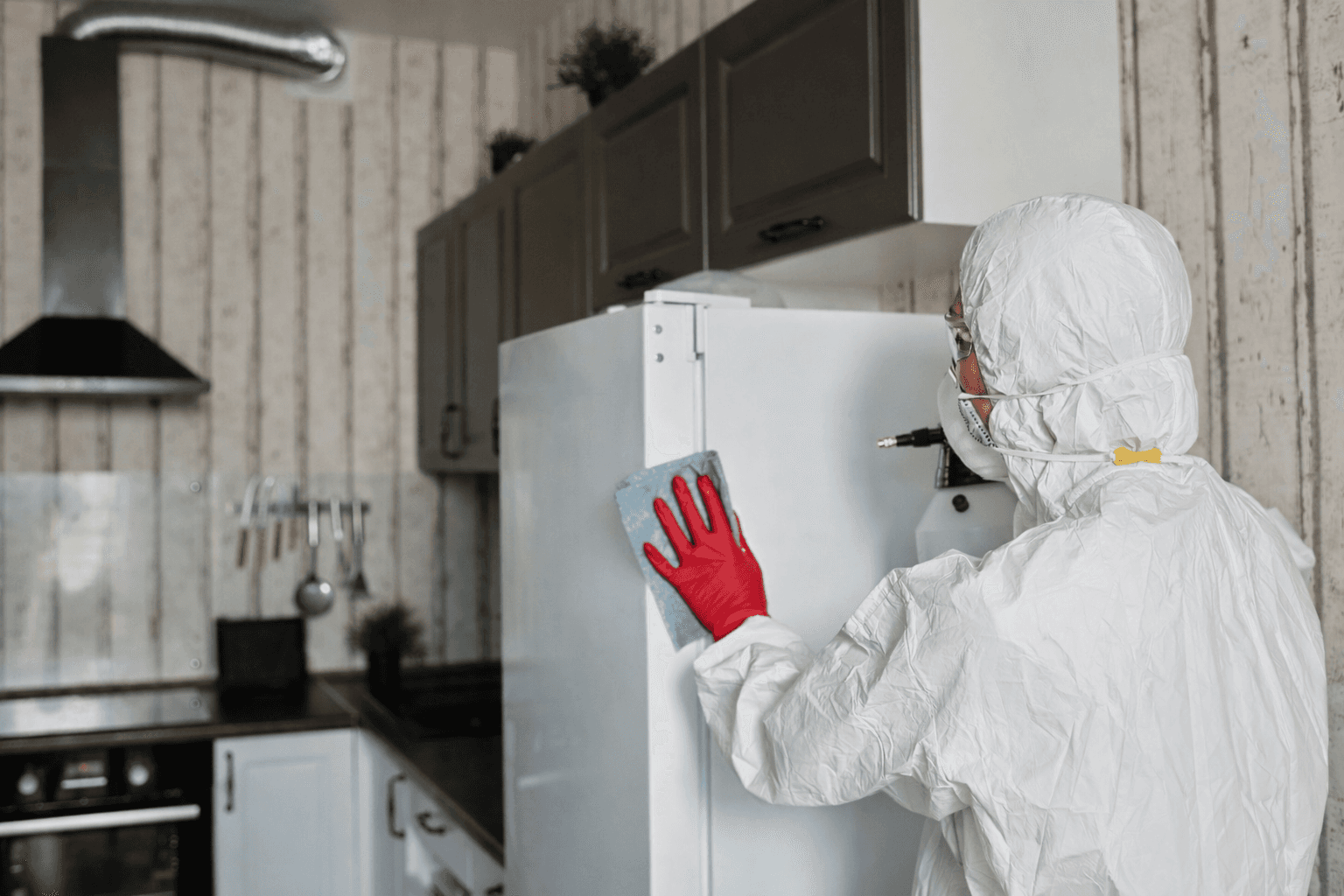
Fentanyl Contamination Guide for Apartment Managers
Fentanyl Contamination Guide for Apartment Managers
When Melissa, a seasoned apartment manager with fifteen years of experience, walked into Unit 3B for a routine move‑out inspection, she expected the usual: a few nail holes, maybe a forgotten lamp, and a carpet stain or two. Instead, she opened the door to a scene that made her stop cold.
Clothes were piled in corners. Food containers sat open on the counter. A mattress was left in the middle of the living room. And on the bathroom vanity, she noticed something she’d never seen before—foil squares, a burnt spoon, and a fine dusting of residue on the counter.
Her stomach dropped. This wasn’t just a messy tenant. This was evidence of drug use.
Melissa did exactly what every property manager should do in that moment: she backed out, closed the door, and called for professional help.
Why That Decision Matters
Fentanyl is not like other contaminants. It’s potent, persistent, and invisible. Even trace amounts can pose a risk if disturbed, especially in enclosed spaces. While casual skin contact alone is unlikely to cause an overdose, inhalation of airborne particles during cleaning or disturbance can be dangerous, which is why untrained personnel should never attempt to clean suspected drug residue.
Real‑world incidents highlight this risk. In February 2026, two Shreveport police officers were hospitalized after showing symptoms consistent with fentanyl exposure while serving an arrest warrant in an apartment complex. Narcan was administered on‑scene, and both officers required hospital observation.
Events like this underscore a simple truth: fentanyl contamination is a hazard that demands trained, properly equipped professionals.
What Property Managers Should Do When They Suspect Fentanyl
Stop the inspection immediately: Do not touch surfaces, open windows, or attempt to “air it out.”
Secure the unit: Prevent maintenance staff, cleaners, or future tenants from entering.
Contact a certified remediation company: Professionals use recognized field detection methods, proper PPE, and EPA‑aligned cleanup protocols to safely identify and remove contamination.
Notify ownership and, when required, local health authorities: Some jurisdictions require reporting when drug contamination is suspected.
Document everything: Photos, notes, and timelines help support insurance claims and protect property owners.
How Redline Environmental Helps
Redline Environmental specializes in fentanyl testing and mitigation for residential, commercial, and multifamily properties. Our work follows public‑health guidance and mirrors the structured cleanup protocols defined by the U.S. Environmental Protection Agency (EPA) for clandestine drug lab remediation.
We provide:
Field testing and laboratory confirmation
Collaboration with local health departments
Safe, repeatable mitigation procedures
Post‑cleanup verification and documentation for insurance and turnover
Fast response to minimize downtime and protect your team
Our goal is simple: keep you, your staff, and your tenants safe while restoring the unit quickly and professionally.
The Takeaway
Melissa did everything right. She recognized the signs, avoided exposure, and called in trained professionals. Within days, the unit was tested, mitigated, cleared, and ready for turnover—without putting herself or her maintenance team at risk.
Fentanyl contamination isn’t something to fear, but it is something to respect. With the right protocols and the right partners, property managers can navigate these situations safely and confidently.