
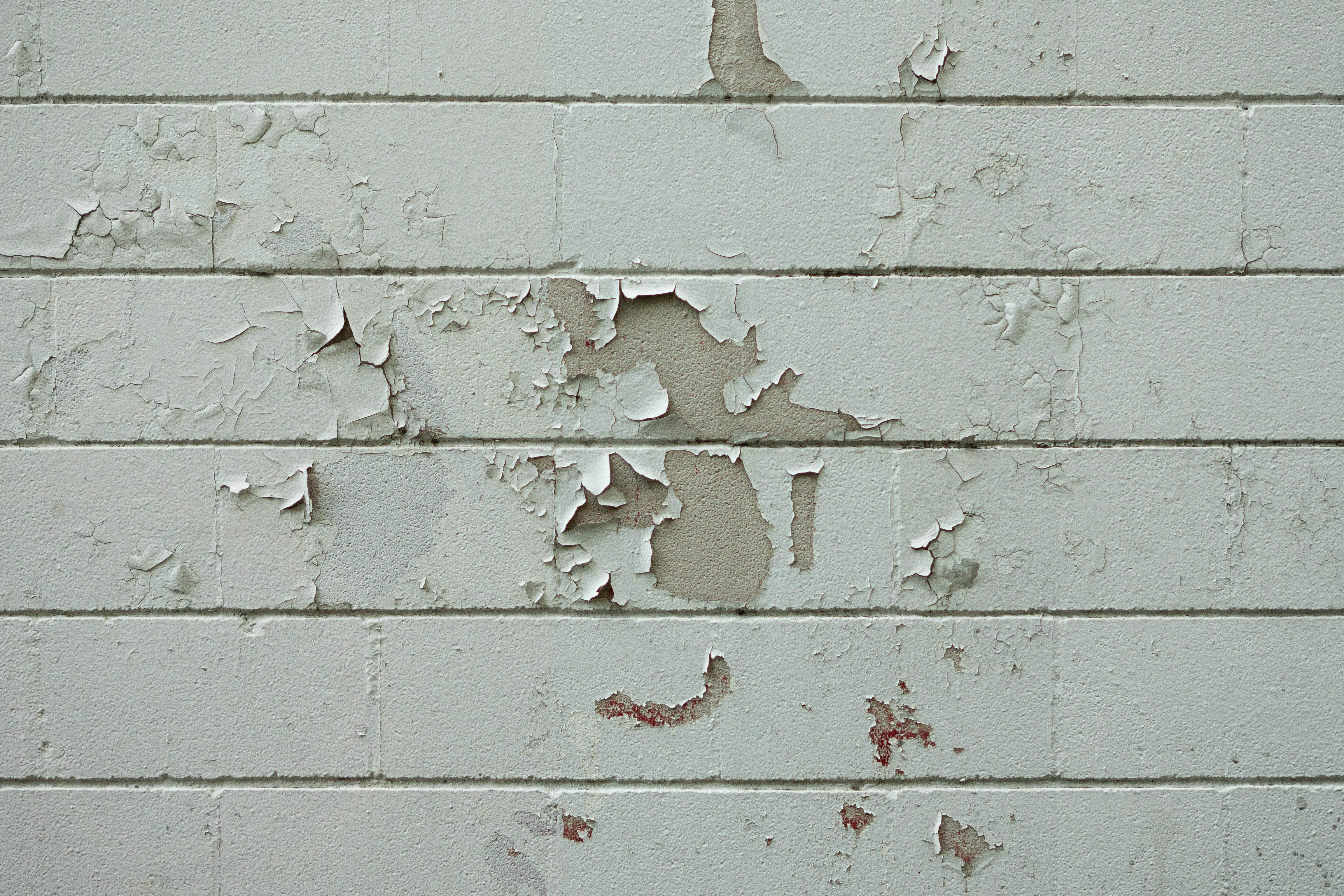
Learn why stabilization lead paint matters
Learn Why Stabilization Lead Paint Matters
Lead based paint is common in older buildings and poses real health and financial risks; if your property was built before 1978, schedule stabilization now and choose a certified provider—Redline delivers EPA‑aligned stabilization, clearance testing, and five-star customer satisfaction.
What lead based paint stabilization is and why it matters
Lead based paint stabilization is a targeted, regulatory recognized approach that repairs and secures deteriorated painted surfaces, contains dust, and prepares surfaces for safe repainting without full abatement. The U.S. Environmental Protection Agency notes that the older a building is, the more likely it contains lead-based paint. Homes built before 1978 have up to 87% likelihood of containing lead-based paint.
The Centers for Disease Control and Prevention estimates that about 29 million housing units have lead-based paint hazards, many of which house young children who are most vulnerable to lead exposure. Stabilization reduces dust and paint deterioration that creates the greatest exposure pathways.
The hidden cost of hiring the wrong contractor
• Health risk for occupants, especially children and pregnant people, from lead dust and chips.
• Regulatory liability and potential fines if work does not follow EPA Renovation Repair and Painting rules.
• Cleanup and rework costs that can exceed the original savings when contractors fail to contain dust, skip clearance testing, or use improper methods.
• Tenant disruption and reputational damage for property managers when occupants must be relocated or treated.
Why choose Redline for stabilization and repainting
Redline combines certified expertise, documented clearance testing, and a single accountable team to deliver safe, code compliant results. Key advantages include:
Criteria | Redline | Typical Contractor |
Credentials | EPA recognized risk assessors; RRP certified crew
| Varies; often not certified
|
Lead safe work practices | Full containment and HEPA procedures | Inconsistent or absent |
Clearance testing | Post work clearance testing included | Rarely provided |
Project coordination | Stabilization and painting by one team | Multiple subcontractors; more disruption |
Customer satisfaction | Five star rating across services | Mixed reviews; limited lead experience* |
What to expect from a Redline LBP stabilization project
• Comprehensive inspection and risk assessment to identify hazards.
• Targeted stabilization of deteriorated surfaces, friction points, and impact areas.
• Containment, HEPA vacuuming, and wet cleaning to minimize dust migration.
• Post work clearance testing to verify safe dust levels before re-occupancy.
Next steps
If your building was built before 1978 or you are unsure, assume lead may be present and schedule a certified inspection. For a quote, inspection, or to learn how Redline protects occupants and preserves property value, contact Redline and rely on a five-star rated team that documents safety and clearance every step of the way.