
Lead‑Based Paint: What Homeowners Need to Know
Lead‑Based Paint: What Homeowners Need to Know (Without the Scare Tactics)
If your home was built before 1978, there’s a good chance there’s lead‑based paint somewhere in the structure. That doesn’t automatically mean you’re living in danger — it just means you need to treat the paint with respect and handle any repairs or renovations the right way.
At Redline, we see a lot of situations where homeowners simply weren’t told the truth about how lead works, what’s required, or why certification matters. So here’s the straightforward version, without the fluff.
Why Lead Paint Is Still a Big Deal
Lead becomes a problem when it turns into dust — not when it’s just sitting on the wall. Dust happens when paint:
Chips
Cracks
Gets sanded
Gets scraped
Gets disturbed during repairs
And once that dust is loose, it spreads everywhere. Floors, window tracks, HVAC systems, kids’ toys — you name it.
The health impacts are real:
Neurological issues (especially in kids)
Learning and behavior problems
Pregnancy risks
Long‑term organ damage
Potential neurological and developmental damage to children
It’s not something you “wipe up real quick.” It has to be handled correctly from the start.
Why You Should Never Hire an Uncertified Contractor
This is where homeowners get burned — and where we end up cleaning up someone else’s mess.
Here’s what happens when someone who isn’t certified starts scraping or sanding lead paint:
1. They contaminate your home without realizing it
Lead dust is invisible. A painter can think they’re doing a great job while unknowingly spreading dust into:
Carpet
Bedding
Vents
Soil around the house
Fixing that after the fact is expensive and stressful.
2. You (yes, you) can be held liable
The EPA doesn’t play around with RRP rules. If a contractor isn’t certified:
You can be fined
They can be fined
Insurance usually won’t cover the damage
It’s not worth the risk.
3. The paint job won’t last
Lead surfaces need specific prep and products. Untrained painters often:
Use the wrong primers
Skip containment
Don’t stabilize the substrate
Leave behind peeling or bubbling paint
You end up paying twice.
4. No clearance testing = no peace of mind
Uncertified painters can’t legally provide clearance testing. That means:
No dust wipes
No documentation
No confirmation your home is safe
You’re left guessing — and that’s not acceptable.
What Makes Redline Different
We don’t treat lead like an afterthought. It’s part of our daily work, and we’re trained, certified, and equipped to handle it safely.
Here’s what you get with us:
A certified Lead Risk Assessor (me) overseeing the process
RRP‑certified crews who actually follow containment rules
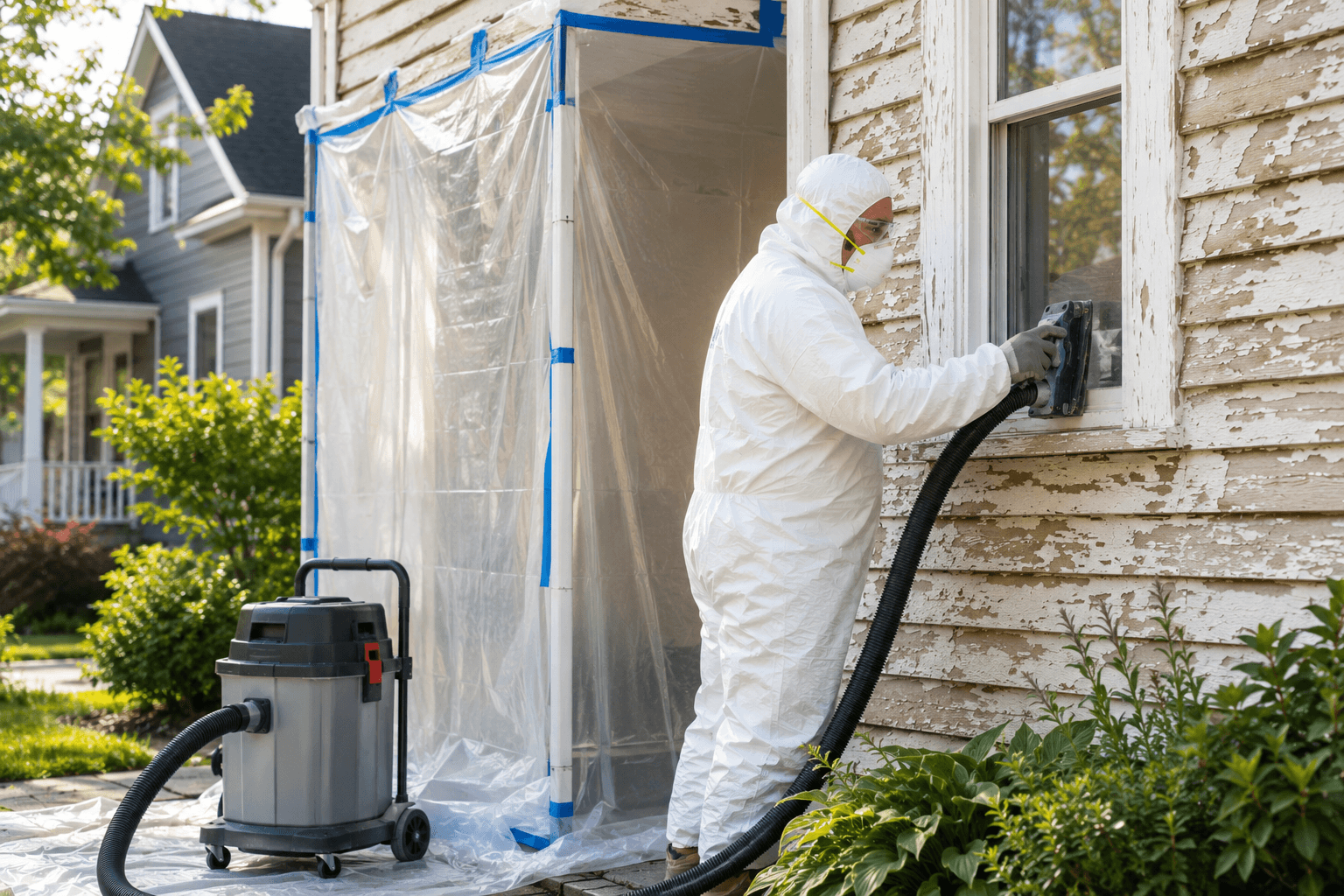
HEPA equipment, proper PPE, and safe work practices
Clearance testing so you know your home is safe when we’re done
Documentation you can keep for resale or property records
High‑quality paint systems that actually hold up
We don’t cut corners. We don’t guess. We don’t “hope for the best.” We do it right the first time.
What a Lead‑Safe Project Looks Like With Redline
We inspect the area and identify hazards
We set up containment so dust stays where it belongs
We safely remove or stabilize failing paint
We clean using HEPA and wet‑wash methods
We repaint using products that bond and last
We perform clearance testing
You get documentation and photos for your records
It’s thorough, it’s safe, and it protects your home and your family.
Lead paint isn’t something to panic about — it’s something to handle correctly. When you hire a certified firm, you’re protecting:
Your health
Your home
Your wallet
Your peace of mind
And when you hire Redline, you’re getting a team that treats your home like it matters — because it does.